Why Is My Floor Sagging? Common Causes in Older Los Angeles Homes
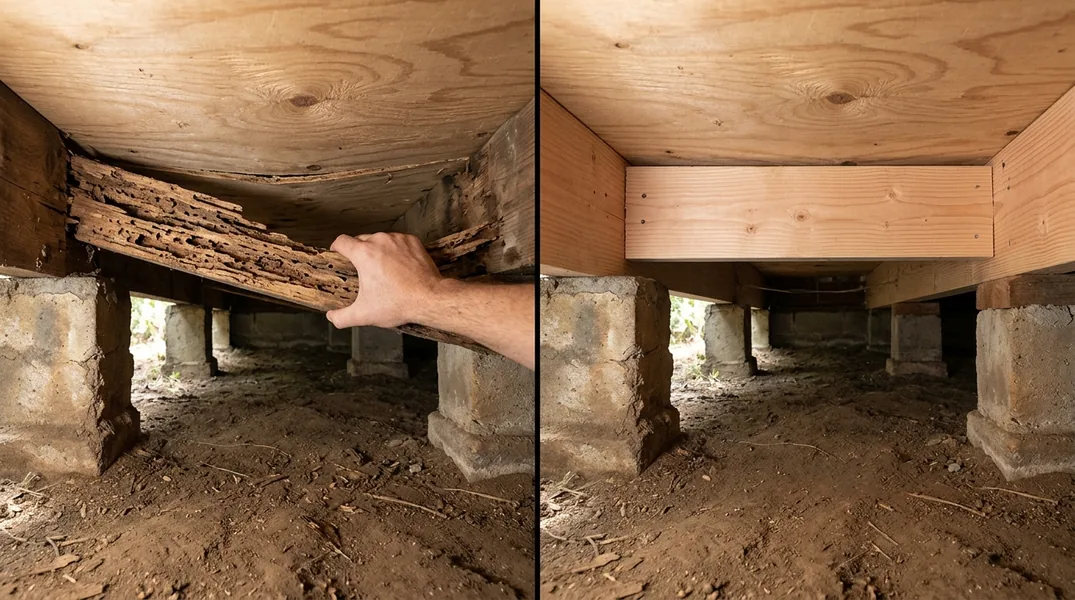
If you own an older home in Los Angeles, a sagging floor is more than just an aesthetic concern. It's a warning sign that your home's structural integrity may be compromised. The most common culprit behind sagging floors is Wood Rot & Dry Rot Repair damage to the floor joists and support beams underneath your home. When wood becomes saturated with moisture from leaks, poor drainage, or high humidity, it begins to decay, losing its load-bearing capacity over time.
Beyond wood rot, termite damage is another frequent cause of floor sag in older properties. Termite Damage Repair is essential because these pests hollow out the interior of wooden joists, leaving behind a shell that can no longer support the weight of your home. Foundation settlement is also a significant factor, especially in Los Angeles where soil conditions vary widely across neighborhoods. As the foundation shifts or settles unevenly, the floor joists above begin to slope. Age and inadequate original construction are additional contributors. Many homes built decades ago used smaller, weaker joists than modern building codes require, and years of accumulated stress can cause them to bow or crack.
Understanding Floor Joist Repair and Sistering Floor Joists
When your floor joists are damaged but not completely beyond repair, Floor Joist & Subfloor Repair becomes your best option. The most common repair method is called 'sistering floor joists,' a technique that involves attaching a new, strong piece of lumber alongside the damaged original joist. This doubled-up configuration restores strength and rigidity to the floor system. Sistering is preferred when the damage is localized and the joist still has some structural integrity left. The process requires careful measurement, proper fastening with bolts and nails, and precise alignment to ensure the floor returns to level.
The sistering process typically begins with removing flooring and subfloor materials to expose the damaged joist. A carpenter will assess the extent of damage and determine if sistering is viable or if full joist replacement is necessary. If rot or termite damage affects more than one-third of the joist's depth, replacement is usually the safer choice. Once the new sister joist is installed and secured, the subfloor and flooring are reinstalled. This method is cost-effective compared to full beam replacement and causes less disruption to your home. However, it does require professional expertise to ensure proper installation and code compliance.
Sagging Floor Repair: When You Need More Than Sistering
Not every sagging floor can be fixed with sistering alone. In cases where multiple joists are severely compromised, or where the main support beam has failed, more extensive work is required. Beam Replacement & Load-Bearing Wall Removal may become necessary to restore your home's foundation support system. A sagging floor that spans a large area or dips noticeably in the center often indicates a failing primary support beam, not just damaged joists.
When a main beam needs replacement, the repair becomes more complex and requires temporary support systems during construction. Adjustable posts or hydraulic jacks hold the floor in place while the old beam is removed and a new one is installed. This type of work demands professional-grade equipment, engineering knowledge, and proper permits from the city. The cost and timeline increase significantly, but addressing these issues promptly prevents further structural damage that could affect walls, foundations, and the overall safety of your home. Ignoring a severely sagging floor can lead to cracked drywall, sticking doors and windows, and eventually, serious safety hazards.
Sagging Floor Repair Cost in Los Angeles: What to Budget
The pricing for sagging floor repair in Los Angeles varies widely depending on the scope of damage and the repair method required. A simple sistering floor joists repair might cost between $1,500 and $4,000 per joist, including labor and materials. If multiple joists need attention, costs climb quickly. A typical sagging floor repair affecting 4 to 6 joists could range from $6,000 to $15,000. These figures assume the damage is localized and the subfloor is still sound.
More extensive repairs involving beam replacement can cost $8,000 to $25,000 or more, depending on the beam's size, the amount of structural work required, and whether temporary support systems are needed during installation. Foundation settlement repairs add another layer of complexity and expense. The best way to understand your specific costs is to schedule a free estimate with Los Angeles Carpentry. Our team will inspect your floor, identify the root cause of the sag, and provide a detailed breakdown of repair options and costs. Early detection and repair of sagging floors often prevents more expensive damage down the road, making the investment worthwhile for your home's longevity and safety.
Floor Joist Repair Near Me: How to Find a Qualified Contractor
Finding a qualified contractor for floor joist repair is crucial because improper repairs can create bigger problems later. You want a company with experience in structural carpentry, a solid understanding of local building codes, and the ability to obtain necessary permits. Los Angeles Carpentry has served homeowners throughout the region with expert floor joist and subfloor repairs for years. Our team understands the unique challenges of older homes in various Los Angeles neighborhoods, from foundation issues common in certain soil types to moisture problems in coastal areas.
When evaluating contractors, ask about their experience with sagging floor repairs specifically. Request references from past clients and verify their licenses and insurance. A reputable contractor will provide a detailed written estimate, explain the repair method they recommend and why, and be transparent about timelines and costs. Don't automatically choose the lowest bid. The cheapest repair might use substandard materials or incomplete methods that fail within a few years. Call Los Angeles Carpentry at (213) 652-2684 to discuss your sagging floor concerns and learn how we can help restore your home's structural integrity.
Preventing Future Floor Sag: Maintenance and Early Warning Signs
The best approach to sagging floors is prevention. Regular inspections of your basement, crawlspace, or foundation area can catch early signs of wood rot, termite activity, or moisture accumulation before they cause serious damage. Look for soft or spongy wood, visible mold or mildew, termite mud tubes, or standing water. Control moisture by ensuring gutters and downspouts direct water away from your foundation, maintaining proper grading around your home, and using a dehumidifier in damp basements or crawlspaces. Proper ventilation under your home is equally important. Many older houses lack adequate ventilation, which traps moisture and accelerates wood decay.
If you notice your floor beginning to sag, slope, or feel bouncy, don't wait. Early intervention is far less expensive than waiting until the damage becomes severe. Small areas of rot can be treated before they spread, and a few compromised joists can be sistered before the entire floor system fails. Schedule an inspection with a professional carpenter who can assess the situation and recommend preventive measures. By staying vigilant and addressing issues promptly, you can protect your investment and keep your home safe for years to come. Contact Los Angeles Carpentry for a thorough evaluation of your home's structural condition.
Looking for a professional carpentry contractor in Los Angeles? Los Angeles Carpentry responds fast for all your carpentry needs.
Get a Free QuoteOur services: Wood Rot & Dry Rot Repair · Termite Damage Repair · Floor Joist & Subfloor Repair