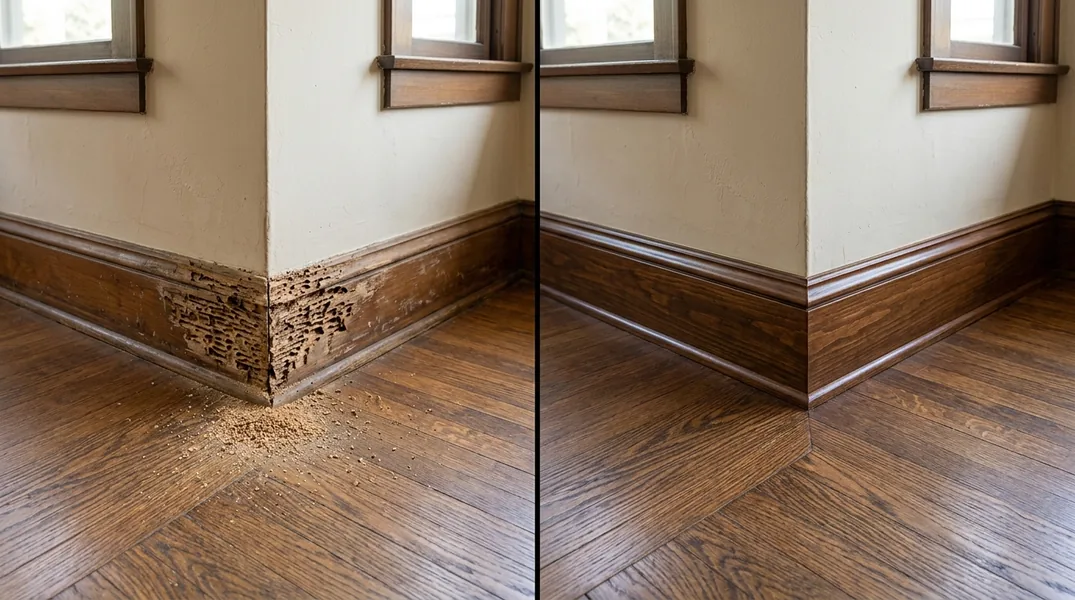
Why Los Angeles Is a Drywood Termite Hotspot
If you own a home in Los Angeles, you're living in one of the most termite-prone regions in the United States. Drywood termites don't need soil contact or moisture sources like their subterranean cousins. They live and breed inside the wood itself, making them particularly destructive in the warm, dry climate that Southern California offers year-round.
The combination of mild winters and consistent temperatures creates an ideal environment for drywood termite colonies to thrive. Unlike colder regions where winter kills off many termite populations, Los Angeles homeowners face active termite seasons that extend throughout the entire year. These pests are especially active during late spring and summer when they swarm to establish new colonies in nearby homes.
Older homes, which are common throughout Los Angeles, are particularly vulnerable. Drywood termites target wood with lower moisture content, which means they can infest hardwood floors, wooden roof structures, wall framing, and furniture with equal ease. The longer a home stands, the more opportunities termites have to find their way inside and establish colonies that may go undetected for years.
Signs of Termite Damage You Shouldn't Ignore
Recognizing signs of termite damage early can save you thousands in repair costs. One of the most obvious indicators is the presence of droppings, which drywood termites leave behind as they tunnel through wood. These droppings, called frass, look like tiny pellets and are often found on windowsills, floors, or inside infested wood cavities. If you notice small piles of what looks like sawdust near wooden beams, trim, or furniture, termites may be actively feeding.
Listen for the sound of termites at work. Soldier termites bang their heads against wood to communicate danger, creating a soft clicking sound that you might hear in quiet moments. If you tap on wood that sounds hollow or feels soft when you press it, termites may have already caused significant structural damage. Mud tubes are another telltale sign, though these are more common with subterranean termites. Drywood termites may leave exit holes in wood as they swarm, appearing as small, neat circular openings.
Warping doors and windows, buckling hardwood floors, and sagging ceilings can all indicate advanced termite damage. By the time these visible signs appear, the infestation is usually well established. This is why professional inspection is so important. If you suspect termite activity in your home, contact Los Angeles Carpentry at (213) 652-2684 for a thorough assessment before damage becomes severe.
Structural Damage from Drywood Termites: What Gets Affected
Drywood termites don't discriminate when it comes to wood. They'll attack structural framing, hardwood floors, wooden roof trusses, window frames, and door jambs with equal enthusiasm. The damage they cause can compromise the integrity of your entire home if left unchecked. Floor Joist & Subfloor Repair is often necessary when termites have been feeding in the lower levels of a home for extended periods.
One of the most serious consequences is damage to load-bearing walls and beams. When termites hollow out the wood that supports your roof or upper floors, you're facing a potential structural collapse. This is not a cosmetic issue or something you can ignore. Walls that were once solid become weakened, and the weight distribution of your entire home becomes compromised. In severe cases, Beam Replacement & Load-Bearing Wall Removal may be required to restore structural safety.
Attic and roof damage is particularly common in Los Angeles homes because termites swarm and enter from above. Once they establish a colony in your attic, they can work undetected for years. Roof leaks and water damage often go hand-in-hand with termite infestations, creating a perfect storm of deterioration. The combination of moisture from leaks and the presence of termites accelerates structural decay exponentially.
Termite Damage Repair Near Me: When to Call a Professional
If you've discovered termite damage in your home, professional repair is not optional. While pest control treatments will eliminate the termites, they won't repair the damage already done. Termite Damage Repair requires specialized knowledge of structural assessment, wood replacement, and building codes. Attempting DIY repairs on structural elements is dangerous and may not meet local building standards.
A qualified carpentry professional will assess the extent of the damage, determine which wood needs replacement versus repair, and ensure that all structural elements are restored to code. This might involve replacing entire sections of framing, sistering joists, or installing new beams. In some cases, Wood Rot & Dry Rot Repair is needed alongside termite damage repair, especially if moisture has been present.
The timeline for repair depends on the severity of the damage. Minor infestations caught early might require only localized repairs and can be completed in a few days. Extensive structural damage may take weeks to properly address. Los Angeles Carpentry specializes in comprehensive termite damage assessment and repair. We recommend getting a free estimate from a licensed contractor who can provide a detailed scope of work and timeline before you commit to repairs.
Termite Repair Cost in Los Angeles: What to Budget
The cost of termite damage repair varies dramatically based on the extent of the infestation and the structural elements affected. Minor repairs involving small sections of wood might cost between 500 and 2,000 dollars. However, if termites have compromised load-bearing beams, floor joists, or significant portions of your home's structure, you could be looking at 5,000 to 25,000 dollars or more. The only way to know your actual repair costs is through a professional inspection and detailed estimate.
Several factors influence pricing for termite damage repair. The location of the damage matters significantly. Attic repairs are generally more accessible and less expensive than foundation or basement repairs. The type of wood being replaced, the extent of structural reinforcement needed, and whether additional services like pest treatment coordination are required all factor into the final cost. In Los Angeles, labor costs tend to be higher than in other regions, which affects overall project pricing.
Many homeowners are surprised to learn that insurance may cover some or all of the repair costs, depending on your policy and how the damage occurred. Some policies specifically exclude termite damage, while others may cover it if the infestation resulted from a covered peril. Before accepting a repair estimate, contact your insurance agent to understand your coverage. Getting multiple estimates from insured contractors is also wise. Los Angeles Carpentry provides transparent, detailed estimates with no hidden fees. Call (213) 652-2684 or request a free estimate today to understand your repair needs and costs.
Prevention: Protecting Your Los Angeles Home from Future Infestations
While you can't completely eliminate the risk of termite infestation in Los Angeles, you can significantly reduce it through proactive measures. Regular inspections by a pest control professional are essential. Many companies offer annual or semi-annual inspections specifically designed to catch early signs of termite activity before major damage occurs. Additionally, maintaining proper ventilation and moisture control in your home makes it less attractive to drywood termites.
Seal cracks and gaps in your home's exterior, including around windows, doors, and utility penetrations. Drywood termites can enter through the smallest openings. Remove dead wood, fallen branches, and wood debris from around your home's foundation. Store firewood away from the house and keep mulch at least 12 inches away from wooden structures. If you have wooden fencing or deck posts, consider treating them with termite-resistant stains or sealers.
After any termite damage repair work is completed, ask your contractor about preventive treatments and ongoing monitoring options. Some repair methods include the installation of termite barriers or monitoring stations that allow for early detection of future activity. The investment in prevention now is far less than the cost of dealing with major structural damage later. If you're concerned about termite risk in your home, Los Angeles Carpentry can provide guidance on prevention strategies alongside any necessary repairs.
Looking for a professional carpentry contractor in Los Angeles? Los Angeles Carpentry responds fast for all your carpentry needs.
Get a Free QuoteOur services: Wood Rot & Dry Rot Repair · Termite Damage Repair · Floor Joist & Subfloor Repair